NMN safety for daily use
Is NMN safe to take every day? In human trials, it was well tolerated
In placebo-controlled human trials, daily NMN was well tolerated for up to 24 weeks. Multi-year safety is still untested.
This page has affiliate links to Renue By Science: we earn a commission if you buy through them.
Article info
Evidence: 9 papers, 8 human studies, 1 review of human studies.
Research and article information
How we made this. Checked against every study we cite. It is not medical advice.
Updated:
How we check · Methodology · Is NMN legal in US supplements? · Corrections · How we’re funded
24
weeks, the longest trial on file
Here is what the human trials say about each common worry.
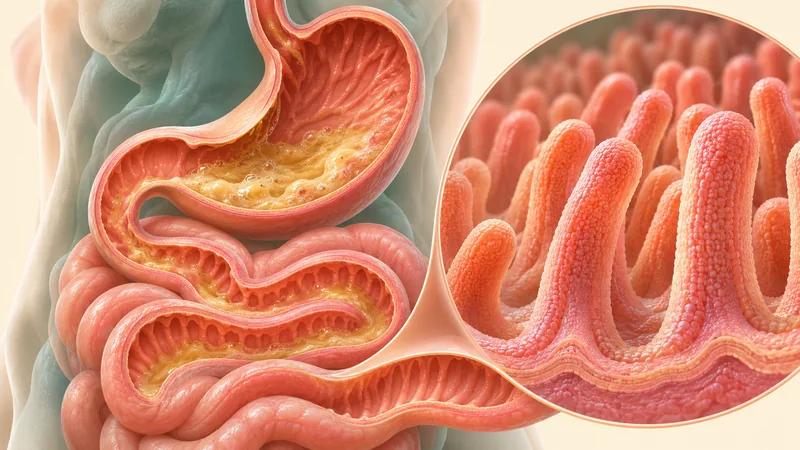
Does NMN upset the stomach?
The trials we read report NMN as well tolerated, and none of their summaries names stomach upset.
What we checked
- Lab result vs label
- 101.6% of the NMN on the label. Lot 062827351, Summit Nutritional Laboratories
- Cost per 500 mg
- $1.44 Median across Renue's NMN range: $0.92
- Where it sits in Renue's NMN range, cost per 500 mg
This product Same-molecule products Median $0.92 · USD per 500 mg · Prices checked November 27, 2026
Products and prices
- NMN Pure Powder: $0.27
- NMNs Fast Dissolve Tabs: $0.92
- NMN Liposomal Capsules: $1.44
- NMN Resveratrol Gel: $1.78
- Human studies in this article
- 8 8 randomized trials (study design grade A)
COA reviewed October 10, 2026: we read the certificates of analysis Renue publishes; we don't run lab tests ourselves. Every report we checked · Price index
In a placebo-controlled trial of 31 healthy adults aged 20 to 65, 1,250 mg a day for up to four weeks caused no changes beyond normal physiological variation in body measurements, bloodwork, urine or body composition, and no severe adverse events (Fukamizu 2022).
In a 60-day placebo-controlled trial of 80 healthy middle-aged adults, 300, 600 or 900 mg a day was well tolerated, with no safety issues found (Yi 2023).
A 2026 trial compared single sublingual and oral doses in 14 healthy men and found both well tolerated, with no adverse events (Wakabayashi 2026).
The limit: none of these trial summaries reports stomach upset separately for any delivery form, so we can’t say which form (capsule, powder or liposomal) is gentler on the stomach.
Does NMN cause flushing?
Flushing isn’t among the side effects reported in the NMN trial summaries we read. None of them says it measured flushing either. So we can’t tell readers NMN causes flushing, and we can’t promise it won’t.
Is it OK to take every day?
Yes, within the durations the trials tested. Three trials gave NMN by mouth once or twice a day: 1,250 mg for up to four weeks (Fukamizu 2022), 300 to 900 mg for 60 days (Yi 2023) and 250 mg for 12 weeks (Katayoshi 2023). Each found NMN well tolerated.
The studies ran from 4 weeks to 24 weeks
Fukamizu 2022 1,250 mg a day
4 weeksMeasured: safety, body, blood and urine measures
Pencina 2023 2,000 mg a day
4 weeksMeasured: safety, NAD and metabolites, physical performance
Yi 2023 300, 600 or 900 mg a day
60 daysMeasured: blood NAD+, six-minute walk
Katayoshi 2023 250 mg a day
12 weeksMeasured: blood NAD+ metabolites, arterial stiffness
Morifuji 2024 250 mg a day
12 weeksMeasured: blood NAD+, walking, sleep
Akasaka 2023 250 mg a day
24 weeksMeasured: safety, grip strength, walking speed
Figure 1. The dose each human trial used and how long it lasted, as its abstract reports. Longer bars mean longer trials.
Source: Healthspan Post summary of the cited trials (PubMed).
In a 28-day trial of 30 overweight or obese adults aged 45 and older, 2,000 mg a day (1,000 mg twice daily) produced adverse events similar to placebo (Pencina 2023).
Is the evidence just mice, and are the trials small?
Not anymore. A 2026 systematic review found 33 human intervention studies of NAD-related compounds, 28 of them randomized, and reported that oral NMN and NR were generally well tolerated over weeks to months (Gallagher 2026).
The placebo-controlled NMN trials we read enrolled 31 adults (Fukamizu 2022), 80 (Yi 2023), 36 (Katayoshi 2023), 60 (Morifuji 2024), 30 (Pencina 2023), 14 (Akasaka 2023) and 108 (Kim 2022). The samples are modest, a real limit, but every one of these trials that reported on safety found NMN well tolerated.
Several of these trials also found benefits. Blood NAD+ rose in three of them (Yi 2023; Morifuji 2024; Pencina 2023).
In the 60-day trial of 80 healthy middle-aged adults, blood NAD+ rose in every NMN group, six-minute walking distance increased more than on placebo, and a blood-based biological-age score held steady while it rose on placebo (Yi 2023).
In a 12-week trial of 36 healthy middle-aged adults, 250 mg a day raised one NAD+ metabolite, serum nicotinamide, above placebo (Katayoshi 2023).
Figure 2. NMN sits one step from NAD+ in the salvage pathway, the main route cells use to keep NAD+ topped up.
Source: Covarrubias et al., Nature Reviews Molecular Cell Biology, 2021 (PubMed 33353981).
In a 12-week trial of 60 older adults, 250 mg a day raised blood NAD+, shortened 4-meter walking time and improved sleep-quality scores versus placebo (Morifuji 2024).
Is it safe long term?
The longest trial on file ran 24 weeks: in a placebo-controlled trial of 14 men aged 65 and older with diabetes and reduced grip strength or walking speed, 250 mg a day was tolerable, with no severe adverse events (Akasaka 2023). Nothing on file runs for years, and not every trial tracked the same adverse events, so multi-year human safety is not yet established.
Who should check first
The trials didn’t include everyone, so these readers should ask a clinician before starting NMN: people who are pregnant or breastfeeding, under 18, or on prescription medicine. Some trials enrolled people with a health condition, but a small trial in one group doesn’t make NMN safe for everyone.
Figure 3. NAD+ is a helper molecule for energy metabolism and a fuel for enzymes that maintain cells; several of those enzymes use it up as they work.
Source: Covarrubias et al., Nature Reviews Molecular Cell Biology, 2021 (PubMed 33353981).
Show the scienceStudy-by-study table: 9 studies, design, dose and grade
The evidence
Every study cited in this article. Grades: A human RCT, meta-analysis or systematic review.
| Study | Design | People | Dose / duration | Result | Grade | Source |
|---|---|---|---|---|---|---|
| Fukamizu 2022[1] | RCT | 31 healthy adult men and women aged 20-65n = 31 | 1,250 mg once daily · up to 4 weeks | No changes beyond physiological variation in body, blood, urine or body-composition measures and no severe adverse events; described as safe and well tolerated | A | PubMed 36002548 |
| Yi 2023[2] | RCT | 80 healthy middle-aged adultsn = 80 | 300, 600 or 900 mg once daily · 60 days | No safety issues; blood NAD+ rose in every NMN group; six-minute walk distance improved more than placebo; blood biological age held steady while it rose on placebo | A | PubMed 36482258 |
| Katayoshi 2023[3] | RCT | 36 healthy middle-aged adultsn = 36 | 250 mg a day (125 mg twice daily) · 12 weeks | Well tolerated with no adverse events; serum nicotinamide, a NAD+ metabolite, was higher than on placebo | A | PubMed 36797393 |
| Morifuji 2024[4] | RCT | 60 older adultsn = 60 | 250 mg a day · 12 weeks | No adverse effects related to NMN; blood NAD+ and its metabolites rose, 4-m walking time shortened and sleep quality improved versus placebo | A | PubMed 38789831 |
| Pencina 2023[5] | RCT | 30 overweight or obese adults aged 45 or oldern = 30 | 2,000 mg a day (2 x 500 mg tablets twice daily) · 28 days | Adverse events similar between groups; circulating NAD and its metabolites rose substantially | A | PubMed 36740954 |
| Akasaka 2023[6] | RCT | 14 men aged 65 or older with diabetes and low grip strength or walking speedn = 14 | 250 mg a day · 24 weeks | Tolerable over 24 weeks, with no severe adverse events | A | PubMed 36443648 |
| Kim 2022[7] | RCT | 108 older Japanese adultsn = 108 | 250 mg once daily, morning or afternoon · 12 weeks | The afternoon NMN group had the largest effect sizes for 5-time sit-to-stand (d = 0.72) and drowsiness (d = 0.64) | A | PubMed 35215405 |
| Wakabayashi 2026[8] | RCT | 14 healthy adult menn = 14 | single dose per route, 8-day washout | Single sublingual and oral doses were both well tolerated, with no adverse events | A | PubMed 42304075 |
| Gallagher 2026[9] | systematic review | 33 human and 80 rodent intervention studies of NAD-related compounds | not reported | In humans, oral NR and NMN raised NAD-related metabolites and were generally well tolerated over weeks to months; effects on functional outcomes were mixed | A | PubMed 41655607 |
NMN Liposomal Capsules: the trade-offs
Why people choose it
- 500 mg NMN per 2-capsule serving
- Capsules: no measuring or taste
- Liposomes are designed for slower, sustained release (Renue's description)
Things to know
- A serving is 2 capsules; one bottle of 90 is 45 servings
- No human trial we have reviewed tested liposomal NMN against plain NMN
Product note
NMN Liposomal Capsules give 500 mg of NMN per two-capsule serving. NMN is a direct NAD+ precursor that supports healthy NAD+ levels and cellular energy production, and Renue designs the liposomes for slower, more sustained release. The 500 mg serving sits within the 250 to 2,000 mg a day the human trials on file used. Code HEALTHSPAN: 10% off. See NMN Liposomal Capsules
Support our research
Related
NMN side effects, daily use and long-term safety
Are there NMN side effects? In human trials, NMN was well tolerated
NMN doubts answered
Does Oral NMN Survive the Gut? In Human Trials, Blood NAD+ Rose
NMN clinical trials: tested in people? Blood NAD+ rose.
References
View all 9 cited studies
- Fukamizu Y, Uchida Y, Shigekawa A, et al. (2022). Safety evaluation of β-nicotinamide mononucleotide oral administration in healthy adult men and women. Sci Rep. PubMed 36002548
- Yi L, Maier AB, Tao R, et al. (2023). The efficacy and safety of β-nicotinamide mononucleotide (NMN) supplementation in healthy middle-aged adults: a randomized, multicenter, double-blind, placebo-controlled, parallel-group, dose-dependent clinical trial. Geroscience. PubMed 36482258
- Katayoshi T, Uehata S, Nakashima N, et al. (2023). Nicotinamide adenine dinucleotide metabolism and arterial stiffness after long-term nicotinamide mononucleotide supplementation: a randomized, double-blind, placebo-controlled trial. Sci Rep. PubMed 36797393
- Morifuji M, Higashi S, Ebihara S, et al. (2024). Ingestion of β-nicotinamide mononucleotide increased blood NAD levels, maintained walking speed, and improved sleep quality in older adults in a double-blind randomized, placebo-controlled study. Geroscience. PubMed 38789831
- Pencina KM, Valderrabano R, Wipper B, et al. (2023). Nicotinamide Adenine Dinucleotide Augmentation in Overweight or Obese Middle-Aged and Older Adults: A Physiologic Study. J Clin Endocrinol Metab. PubMed 36740954
- Akasaka H, Nakagami H, Sugimoto K, et al. (2023). Effects of nicotinamide mononucleotide on older patients with diabetes and impaired physical performance: A prospective, placebo-controlled, double-blind study. Geriatr Gerontol Int. PubMed 36443648
- Kim M, Seol J, Sato T, et al. (2022). Effect of 12-Week Intake of Nicotinamide Mononucleotide on Sleep Quality, Fatigue, and Physical Performance in Older Japanese Adults: A Randomized, Double-Blind Placebo-Controlled Study. Nutrients. PubMed 35215405
- Wakabayashi J, Higashi S, Morifuji M (2026). Sublingual NMN administration increases early circulating terminal catabolites 2PY and 4PY compared with oral administration in healthy adult men. Sci Rep. PubMed 42304075
- Gallagher C, Emmanuel OO (2026). NAD⁺ supplementation for anti-aging and wellness: A PRISMA-guided systematic review of preclinical and clinical evidence. Ageing Res Rev. PubMed 41655607